
Choosing Between FDM and SLA Resin 3D Printing: A Complete Guide
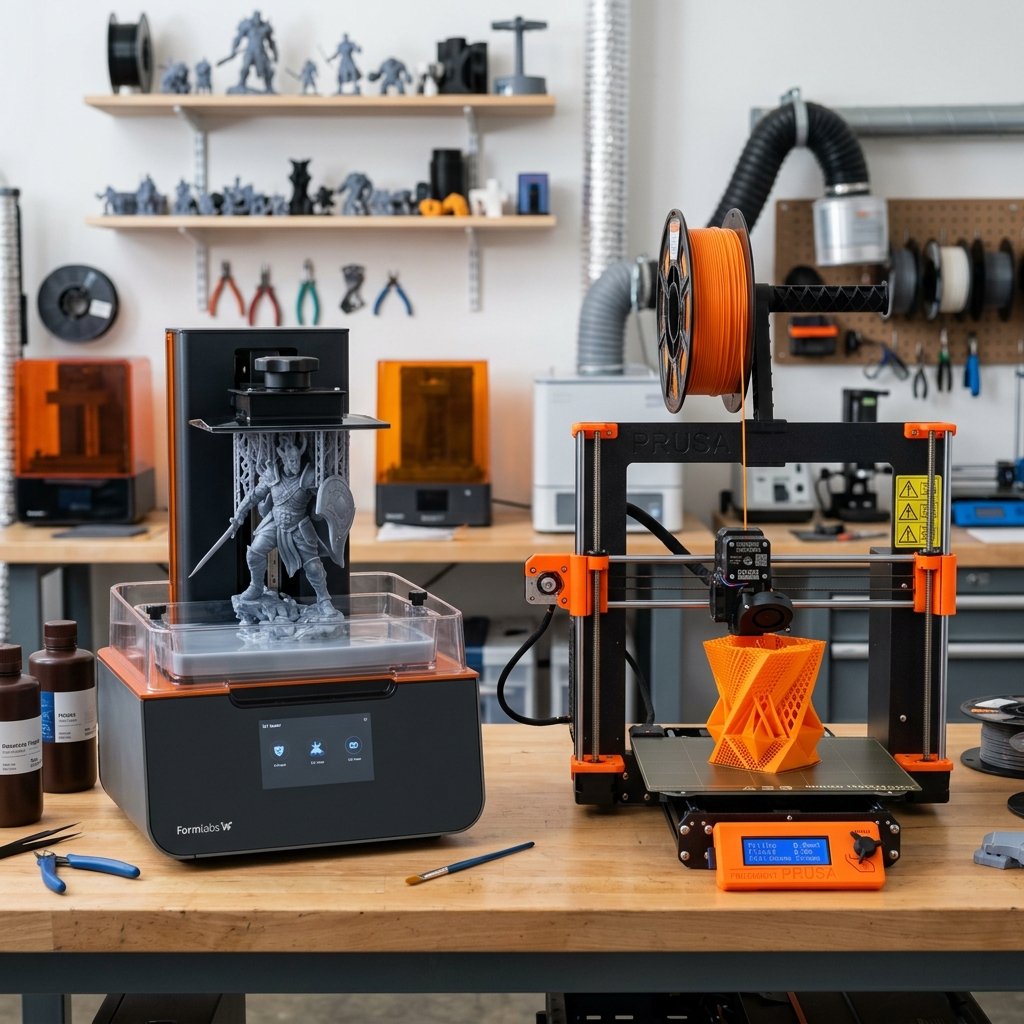
Discover the key differences, advantages, and ideal use cases for FDM (Fused Deposition Modeling) versus SLA (Stereolithography) resin 3D printing technologies.
When entering the world of 3D printing or commissioning custom models for your business or home, one of the most critical decisions is selecting the right printing technology. The two most prominent additive manufacturing technologies in use today are FDM (Fused Deposition Modeling) and SLA (Stereolithography Resin).
What is FDM 3D Printing?
FDM works by melting a thermoplastic filament (such as PLA, ABS, or PETG) and extruding it layer-by-layer through a heated nozzle onto a build plate. It is renowned for its strength, versatility, cost-effectiveness, and ability to produce large-scale structural parts, prototypes, and decorative panels.
- Best For: Architectural models, large wall art, functional brackets, durable prototypes, and big divine idols.
- Pros: High mechanical strength, wide range of materials, affordable per cubic volume.
- Layer Resolution: Typically ranges from 0.1mm to 0.3mm.
What is SLA Resin 3D Printing?
SLA resin printing uses a UV laser or high-resolution LCD screen to cure liquid photopolymer resin into solid plastic layer by layer. This technology produces ultra-smooth surface finishes and captures microscopic detail impossible to achieve with traditional filament printers.
- Best For: Highly detailed mini figurines, intricate portrait busts, custom jewelry prototypes, delicate divine idols, and dental/medical models.
- Pros: Exceptional resolution, crisp edge detail, virtually invisible layer lines.
- Layer Resolution: Precise accuracy down to 0.025mm to 0.05mm.
Which One Should You Choose?
At Preneel 3D Universe, we offer both FDM and SLA resin printing capabilities. If you require large decorative products, strong structural items, or cost-effective prototypes, FDM is ideal. If your project demands ultra-intricate details, fine facial features, or glass-smooth finishes, SLA resin is the winner.
Still unsure which material or process fits your project? Contact our team on WhatsApp for expert guidance and instantaneous quotes!
Related 3D Printing Articles
 B2B & Engineering
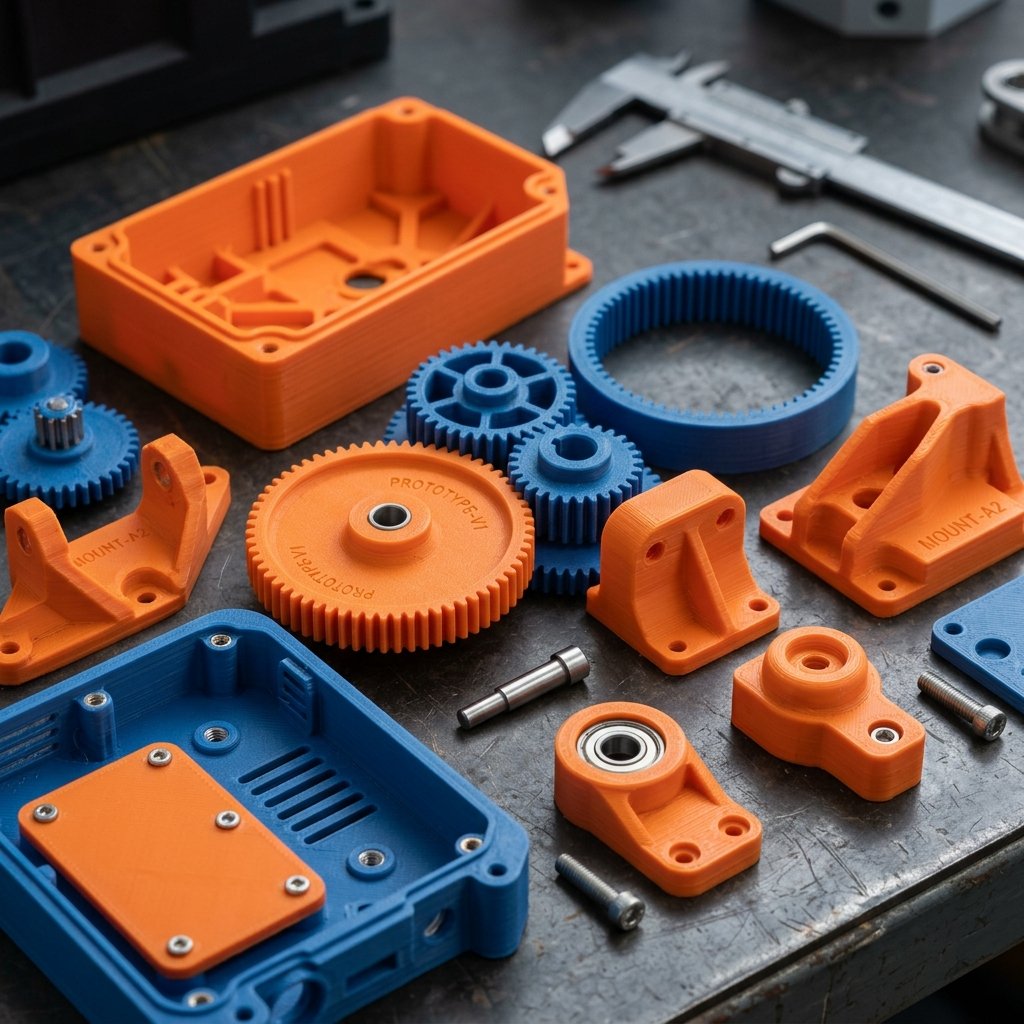
Rapid Prototyping & B2B 3D Printing: Speeding Up Product Development
Learn how businesses in India are leveraging rapid 3D printing to accelerate product development cycles, reduce tooling costs, and manufacture short-run custom components.
 Craftsmanship
How Custom 3D Printed Statues Are Revolutionizing Personalized Gifting
Discover how 3D scanning and photogrammetry modeling allow us to turn 2D photos into lifelike 3D portrait statues, mementoes, and corporate awards.
 Home Decor
5 Creative 3D Printed Home Decor Ideas to Elevate Your Space
Transform your living spaces with customized 3D printed wall art, geometric vases, backlit lithophanes, and bespoke divine decor pieces.